







Search Results for: Coffee Defect Beans
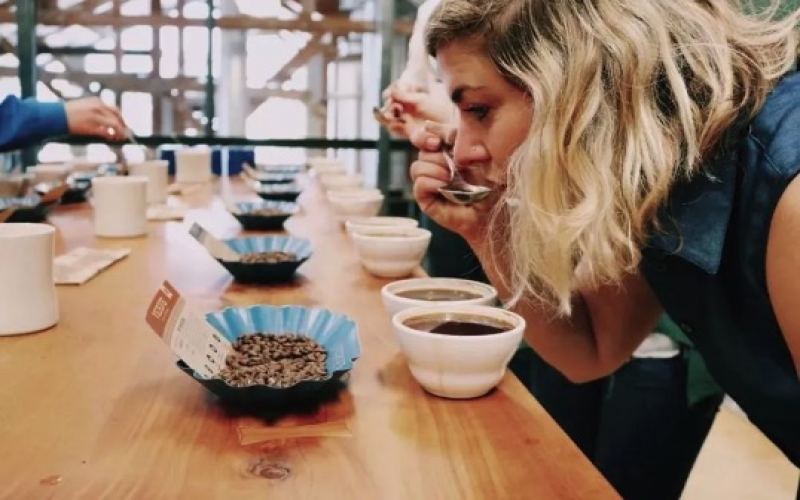
The scoring criteria for coffee cupping. SCA How to evaluate a cup of coffee.
The scoring criteria for coffee cupping. The cupping of coffee beans was initially to ensure whether the quality of the coffee beans that are about to enter the trade is qualified. With the passage of time, after the concept of specialty coffee was b [more…]
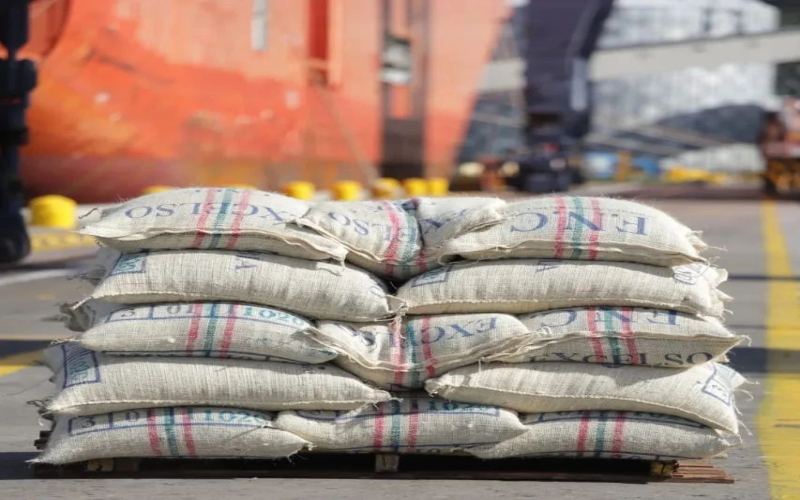
A Detailed Explanation of Colombian Green Coffee Bean Grading: The Meaning of Excelso and Supremo, and Front Street Brand Recommendations
Colombian coffee occupies an important place in the world of specialty coffee, and its green bean grading system is based primarily on defect rates and bean screen size. When buying Colombian coffee, what exactly do the words "Supremo" and "Excelso" commonly seen on burlap sacks mean? This article will systematically sort out the grading rules for Colombian green coffee beans from multiple angles, including export standards, defect scoring, and screen-size classification, and explain the specific differences among the three grades UGQ, EP, and Supremo. At the same time, the article will also introduce common Colombian coffee bean brands on the market, including product information recommended by Front Street Coffee, to help coffee lovers more clearly understand the grade and quality of the bag of beans in their hands. [more…]

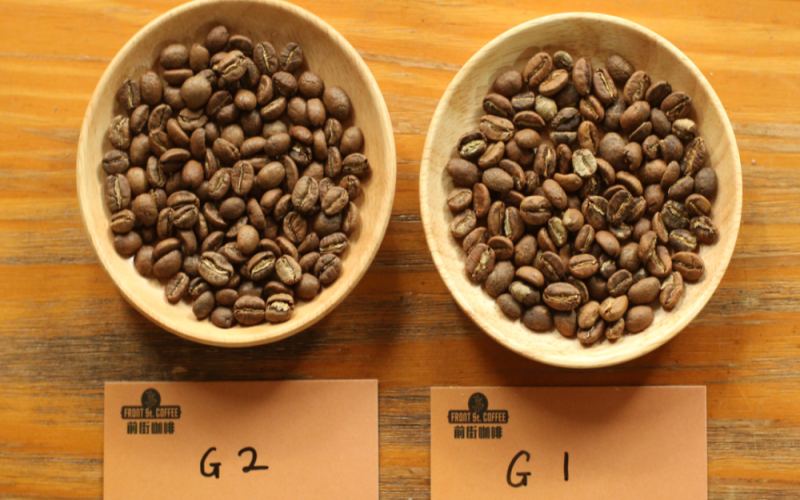
Yirgacheffe Coffee Grading | Is There a Big Difference Between G1 and G2 Yirgacheffe Single-Origin Beans? Must-Buy Light Roast Pour-Over Coffee Beans for Coffee Lovers
We know that coffee bean grading methods are usually based on the actual conditions of the growing country. Some are graded by bean size, such as Kenyan coffee; some by altitude, such as Blue Mountain coffee; and some by defect rate, such as Ethiopian coffee. As the gene pool of Arabica, Ethiopia has a wide variety of coffee varieties. [more…]
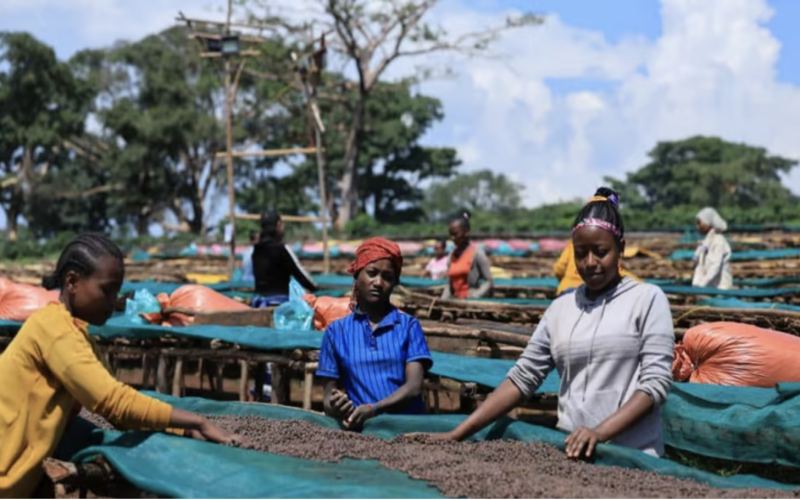
The grading system of Ethiopian coffee beans, the Yirgacheffe G1 and G2 grades.
We know that the grading method of coffee beans usually depends on the actual situation of the growing country, such as being divided according to the size of the coffee beans, like Kenyan coffee; being divided according to the altitude, like Blue Mo [more…]
An Introduction to Green Coffee Bean Grades | A Comparison of Coffee Bean Characteristics, Flavor, and Taste Across National Green Coffee Bean Grading Systems: G1, G2, AA, PB, SHB
For more specialty coffee knowledge, please follow our WeChat official account: Front Street Coffee (FrontStreet Coffee). Many friends, while drinking coffee at Front Street, ask our baristas, "What is Yirgacheffe G1 and Yirgacheffe G2?" "What is Kenya AA, AB?" What is Guate... [more…]
Origins of Jamaican Blue Mountain Coffee Beans | Origin Flavor Characteristics and Recommendations of Jamaica Blue Mountain No. 1 Coffee Beans, and the Grading of Authentic Blue Mountain Coffee
For more specialty coffee knowledge, please follow: Front Street Coffee (Frontsteet Coffee). Recently, a discussion online sparked a round of debate among veteran coffee enthusiasts. In a video, a barista said: "When you go to a coffee shop, don't ask if they have Blue Mountain coffee anymore—doing so will expose that you don't understand coffee." [more…]
A Comprehensive Analysis of Jamaican Blue Mountain Coffee Grading and Variety Flavor Characteristics
As one of the world's recognized top-tier coffees, Blue Mountain coffee has always attracted much attention for its grading, varietal characteristics, and flavor performance. This article will begin with the growing environment of Blue Mountain coffee and provide a detailed overview of the Jamaican Blue Mountain coffee grading system—including the specific standards for Blue Mountain No. 1, No. 2, No. 3, and peaberry—and compare the differences between High Mountain coffee and Jamaican coffee. At the same time, it will take a deeper look at what makes the Blue Mountain Typica variety unique, the differences between washed and natural processing methods, and Front Street Coffee's brewing parameters and flavor description, helping readers fully understand what exactly makes genuine Jamaican Blue Mountain coffee so good. [more…]
A Complete Guide to Jamaican Blue Mountain Coffee Beans: Origin Terroir, Grading, Market Prices, and Brand Buying Guide
Blue Mountain coffee has always held a place in the specialty coffee world, and with its balanced, mellow flavor profile, it has won the favor of generations of coffee lovers. However, products marketed under the banner of "Blue Mountain flavor" keep emerging, while few people truly understand the origin rules, grade classifications, and certification system for Blue Mountain coffee. Starting from the geographical environment of the Blue Mountains, this article will systematically sort out the strict definition of Blue Mountain coffee by the Jamaica Industry Board, explain in detail the criteria distinguishing Blue Mountain No. 1, No. 2, No. 3, and peaberry, and introduce the traditional wooden barrel export practice and certificate of origin system for authentic Blue Mountain coffee. At the same time, Front Street Coffee (FrontStreet Coffee) will also share the brewing parameters and flavor presentation of Blue Mountain coffee in its stores, helping readers gain a comprehensive understanding of the true character of this classic coffee. [more…]

Light Roast Beans for Beginners | Which Has a Stronger Floral and Fruity Aroma: Natural or Washed Yirgacheffe? Is Yirgacheffe Better for Pour-Over or Cold Brew?
Yirgacheffe is a very high-quality Arabica coffee with a unique and bright fruity sweetness and acidity. As soon as it enters the mouth, you can immediately perceive a fresh and clear white floral aroma, leaving a deep impression on everyone who has tried it. In terms of green coffee bean grading, Ethiopia focuses primarily on the defect rate of the beans, combined with cup [more…]
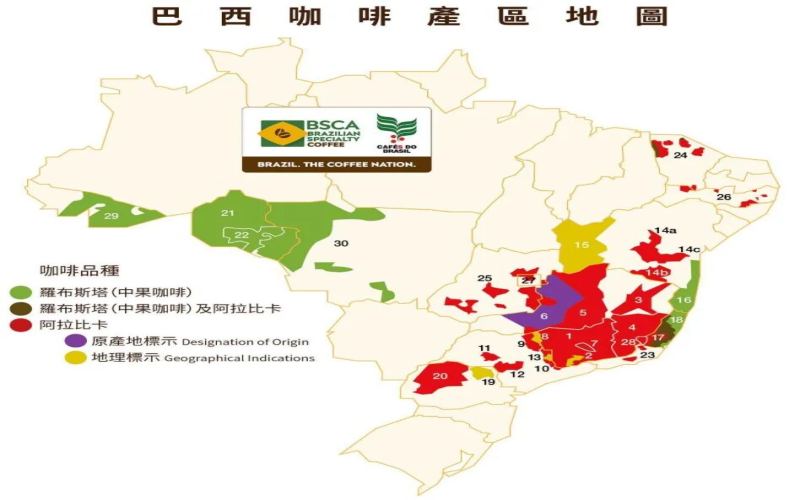
Main Coffee-Producing Regions in Brazil | What Are the Green Coffee Bean Grading Standards in Brazil? How Do You Describe the Flavor of Brazilian Coffee Beans?
What are the characteristics of Brazilian coffee, given that Brazil is the world's largest coffee-producing country? As a South American coffee, Brazilian beans have a relatively balanced flavor, low acidity, and a smooth mouthfeel, making them very suitable for use in espresso blends. Therefore, Front Street Coffee's basic blend, specialty blend, and commercial blend all use Brazilian beans as their base beans. Brazilian coffee [more…]
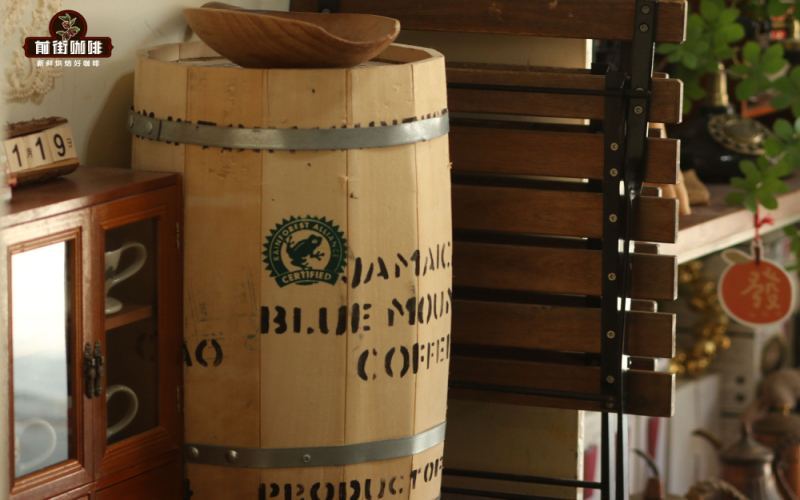
A Guide to Identifying Authentic Jamaican Blue Mountain Coffee: Certificates, Prices, and Flavor Profile Fully Explained
Blue Mountain coffee is hailed as the "Emperor of Coffee," but the market is flooded with a mix of genuine and fake products, making it hard to tell true from false. From the perspective of Front Street Coffee, this article systematically sorts out the historical origins of Jamaican Blue Mountain coffee, the certified authentic production regions, the green bean grading standards, the characteristics of the Typica variety, and the differences between the two processing methods of washed and natural. At the same time, it explains in detail how to identify genuine Blue Mountain through features such as the CIB certificate and wooden barrel packaging, and includes the roasting curve, cupping report, and brewing parameters of Front Street's washed Blue Mountain, helping coffee enthusiasts gain a comprehensive understanding of the true appearance and value of this top-tier coffee. [more…]
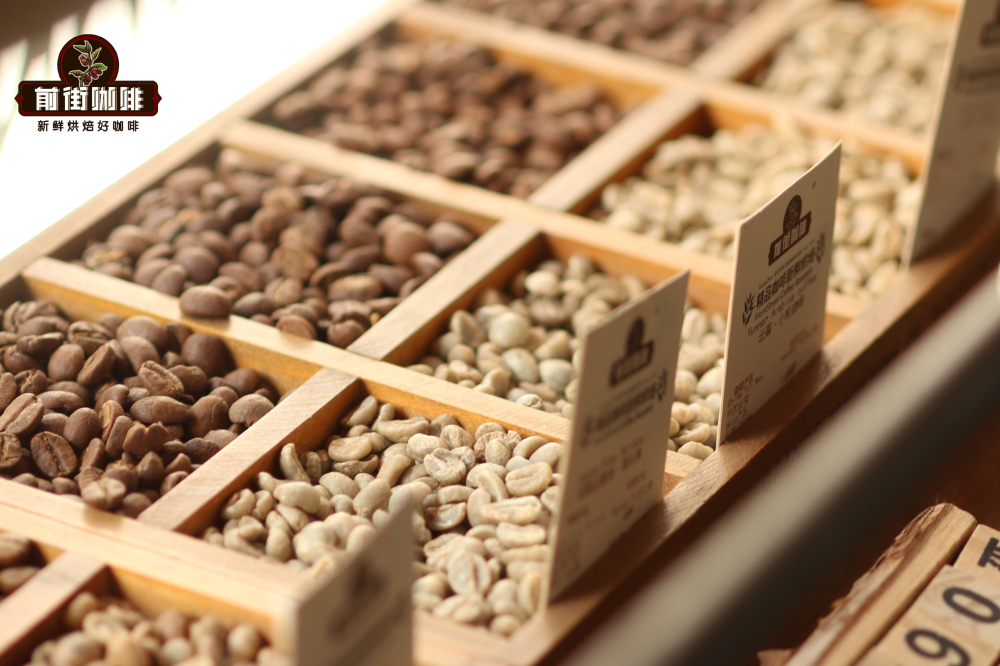
Indonesian Sumatra Mandheling Coffee Beans | What is Golden Mandheling? Indonesian Coffee Grading System and the Origin History of Mandheling
Compared to the rich acidity of Central and South American coffees, Asian coffees mostly carry flavors of wood, herbs, and spices, with a deep, mellow resonance that far outweighs bright fruity acidity. Among these, Indonesian Mandheling coffee is the most representative. The origin of Mandheling coffee, the "Nation of a Thousand Islands"—Indonesia, has a long history of coffee [more…]
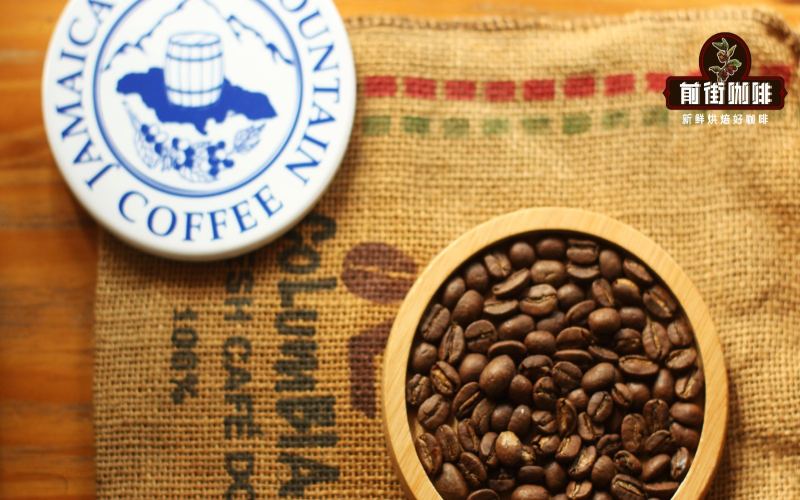
Jamaican Blue Mountain Coffee Beans | An Introduction to the Grading and Flavor Characteristics of Jamaica Blue Mountain No. 1 Coffee Beans
Blue Mountain coffee is very famous, but there are also frequent rumors that only Japan has genuine Blue Mountain coffee beans—a tale from over twenty years ago. Jamaica Blue Mountain Coffee, the Jamaica Coffee Industry Association (Coffee I [more…]
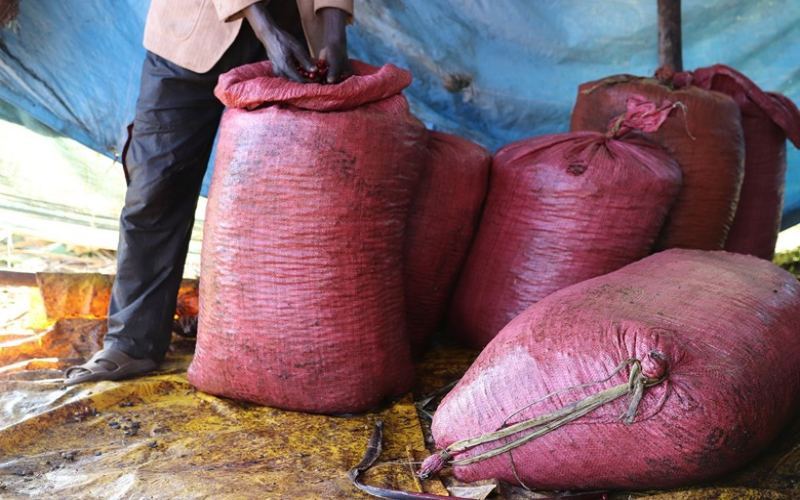
How Coffee Cherries Are Harvested: Hand-Picking, Floatation, and Defective Beans
The refinement of specialty coffee often begins the moment it is harvested. In the same coffee field, the difference in final flavor between careful harvesting and careless harvesting may be even greater than that of roasting. How are coffee cherries picked one by one? Why must defective beans be removed? This article takes you into the scene of harvesting and grading. Handmade [more…]
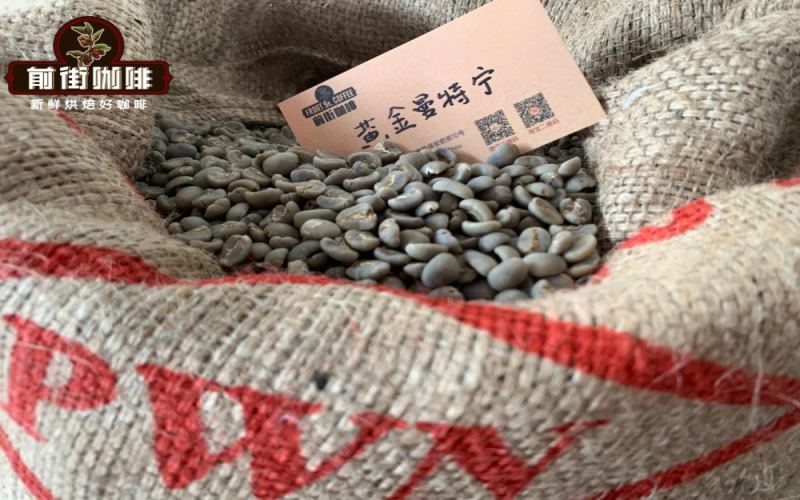
Introduction to Specialty Coffee in Asia | Where Are the Coffee-Growing Regions of Indonesia? An Introduction to the Flavor, Taste Characteristics, and Brand Tier of PWN Golden Mandheling Coffee Beans
As the exclusive brand of PWN Green Beans Company, the unique Mandheling coffee with the addition of the word "Golden" has become a famous representative of Indonesian specialty coffee. In this article, Front Street Coffee will explain the unique features of PWN Golden Mandheling coffee. Authentic Golden Mandheling coffee—Front Street Coffee's daily bean list includes two Indonesian [more…]
Is it normal for Americano to taste sour? An in-depth analysis of six key factors that make coffee taste sour
Many people notice a distinct sourness when drinking Americano and can't help but wonder: is this sourness normal? In fact, sourness in coffee isn't necessarily a bad thing, but if it's unpleasant, it often means something went wrong somewhere. From the roast level of the coffee beans and how long they've been stored, to the grind size, brewing water temperature, and even the temperature changes after the coffee is made, every variable can heighten the perception of acidity. This article breaks down six common causes one by one to help you determine whether the sourness in your cup is a flavor note or a defect. If you're looking for beans with balanced acidity and consistent quality, Front Street Coffee's range of espresso and pour-over beans may offer you a more controllable experience. [more…]
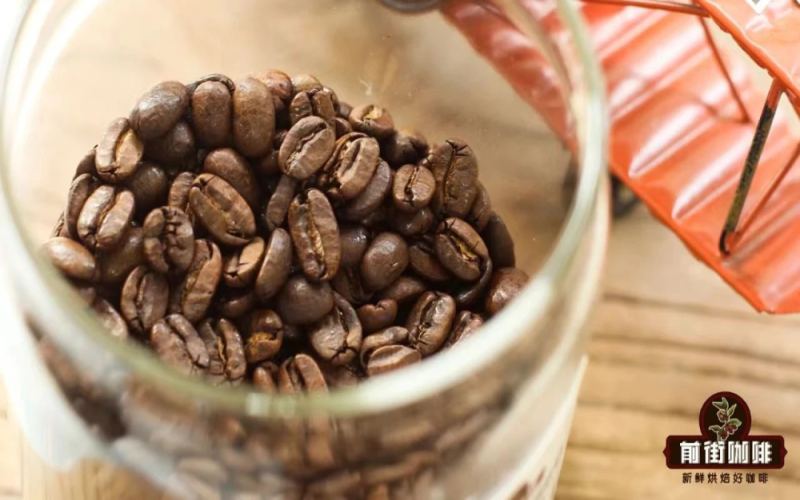
PWN Golden Mandheling | Where is the Indonesian Golden Mandheling coffee producing region? Introduction to Golden Mandheling green bean processing method, roasting curve, cupping flavor, and pour-over parameters
PWN Golden Mandheling 01 | Origin Introduction Indonesia's main coffee-producing regions are Sumatra, Java, and Sulawesi, with Mandheling from Sumatra being the most famous. Mandheling, also known as Sumatra coffee, North Suma [more…]
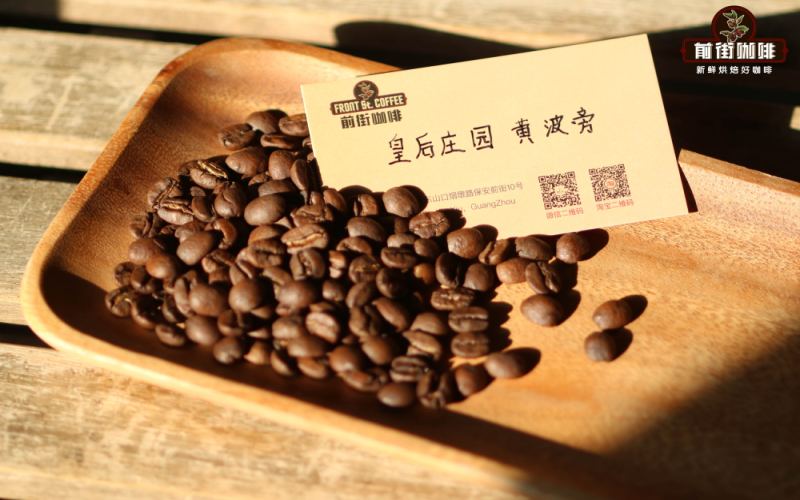
Single-Origin Espresso | How Should Beginners Choose Beans for SOE Coffee to Make It Taste Good? Recommendations for Popular, Distinctively Flavored SOE Single-Origin Espresso Beans
What is specialty coffee? According to the Specialty Coffee Association of America (SCAA), specialty coffee is, in short, coffee obtained through good green beans, good roasting, and good extraction. The so-called "SOE" is actually "Single Origin Esp [more…]
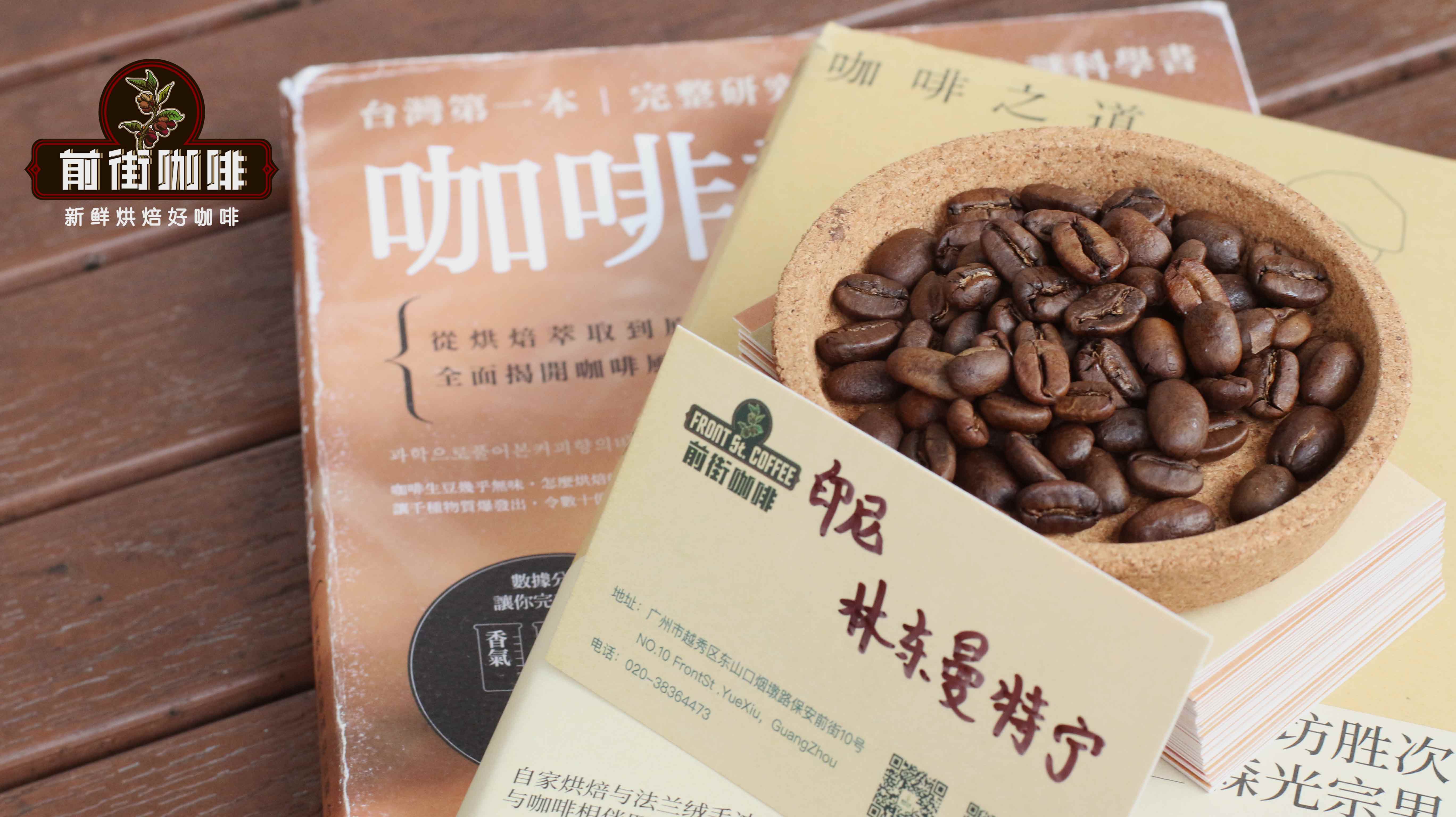
Mandheling Coffee Flavor Characteristics | Is Authentic PWN Golden Mandheling Coffee Expensive? Recommended High-End Dark Roast Single-Origin Coffee Beans for Pour-Over, Moka Pot, and Siphon
Mandheling coffee is produced on the island of Sumatra in Indonesia, Asia, and is also known as "Sumatra coffee." It has a rich taste, combining aroma, bitterness, sweetness, and mellow body, with a slight smoky flavor, making it a favorite of many. Compared with other Indonesian coffees, Mandheling is often drunk as a single-origin black coffee because of its mellow aroma, and generally it is not [more…]
A Complete Guide to Coffee Defects: Ten Common Types, Causes, and Identification Methods Illustrated
The content of defective beans directly affects coffee quality and grade classification. Taking Brazil as an example, the local system uses a "deduction method," grading based on the number of defective beans per 300 grams of main beans. In addition, coffee usually requires hand sorting during processing, and only by fully mastering the types and characteristics of defective beans can they be effectively removed. So exactly how many types of defective beans are there? This article will use illustrated explanations to introduce ten common defective beans one by one, including shell beans, stones, moldy beans, fermented beans, dead beans, immature beans, shell beans, insect-damaged beans, black beans, and cocoa beans, explaining their causes, appearance characteristics, and negative effects on coffee flavor, laying the foundation for subsequent learning about defective bean selection. [more…]